
Spoiler: It’s a whole lot more than picking paint colors and pretty furniture.
If you’ve ever considered hiring an interior designer, you’ve probably wondered what goes into the work. And if you’ve received a proposal, you may have been surprised by how much thought, planning, and coordination it describes. That’s worth understanding, so let’s talk about it.
When you hire an interior designer, you’re not simply paying someone to make your home look beautiful. You’re investing in their experience, knowledge, creativity, relationships, and the many decisions that go into bringing a space together.
Choosing a pretty backsplash is the easy part. Making sure it works with your countertops, cabinetry, lighting, installation requirements, and the way you actually live is where the expertise comes in.
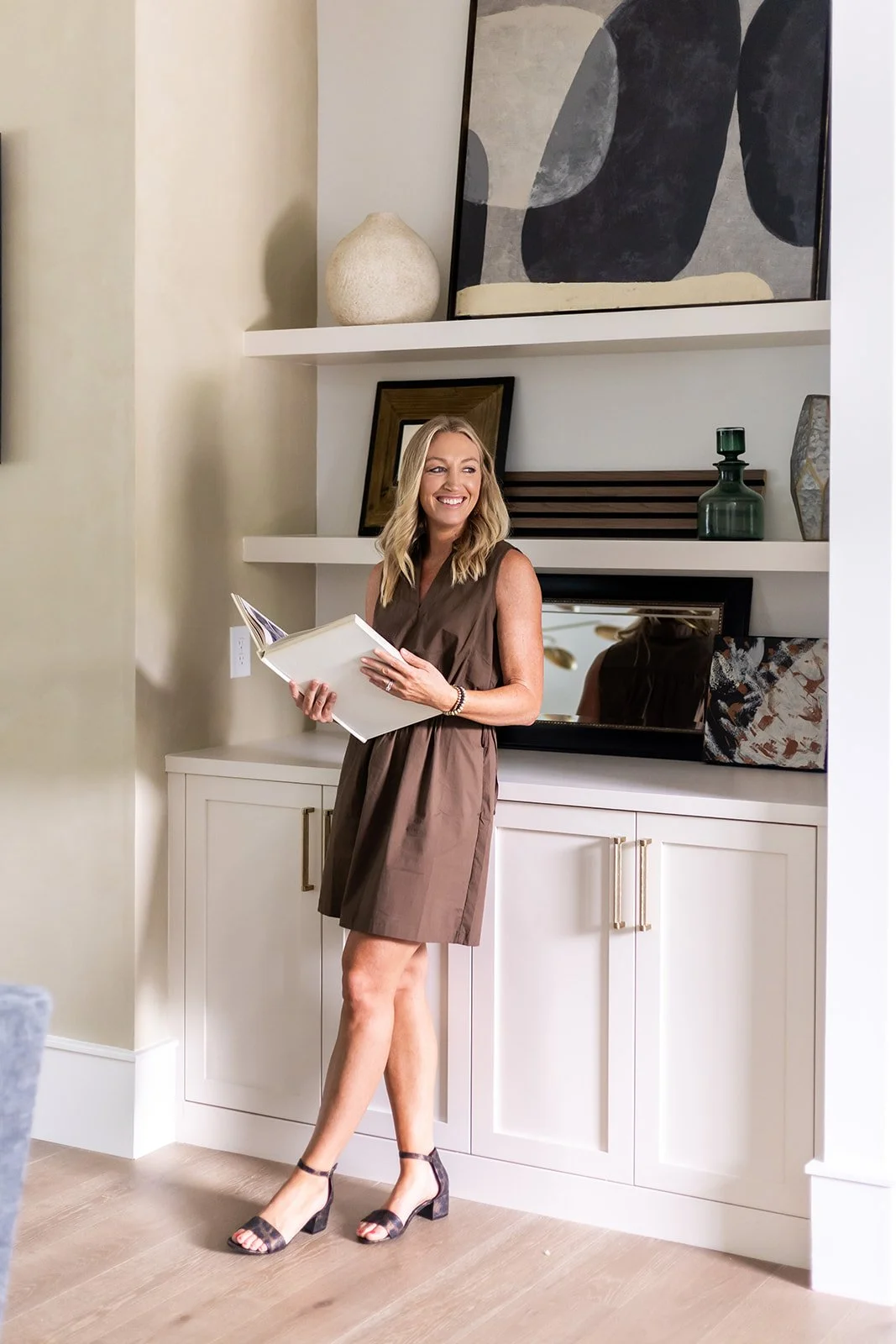
You’re Paying for Expertise
Think about hiring an accountant. Two accountants may both be qualified, but one may have spent years handling complex business returns while the other focuses on simple personal taxes. Their experience and judgment are different, and so is the value they bring to your situation.
Interior design works the same way. A designer who has spent years on renovations, new construction, and complex residential projects has seen what works, which materials hold up, which details create installation headaches, and where spending a little more upfront can save you from an expensive regret later.
That experience often means they can solve a problem in an hour that would take someone else an entire day. Their expertise doesn’t become less valuable because they’ve become efficient. You’re not just buying time. You’re investing in the knowledge behind it.
Picking Things Out Is Only a Small Part of the Job
Thanks to Pinterest, Instagram, and HGTV, it’s easy to assume interior design is mostly about selecting things. We love a good mood board as much as anyone, but the actual design process is far more involved.
Say you’re renovating your kitchen, living room, and primary bathroom. Before anyone talks about tile or lighting, the work starts with questions. Do you entertain often? Do you have kids or pets? Are you the type who cooks elaborate meals, or does your kitchen mostly reheat leftovers and keep the coffee flowing?
Those answers shape everything from space planning and material choices to furniture layouts, storage, and durability.
What the Design Process Actually Looks Like
1. Understanding the Project
We learn about your lifestyle, priorities, aesthetic preferences, and the challenges you want to solve. We also review the existing space, architectural plans, measurements, and construction considerations.
2. Schematic Design and Space Planning
We establish the overall direction, develop layouts, evaluate furniture placement, and decide how each space should function with the others.
3. Design Development and Selections
Materials, finishes, fixtures, and furnishings start coming together. Every selection has to be evaluated for more than appearance. Is it the right size? Is it durable? Does it coordinate with the surrounding finishes? Does it support the overall design, or just look good on its own?
4. Documentation and Specifications
This is one of the most overlooked parts of professional design. Once selections are approved, they need to be translated into clear, usable information for the people building the project. Depending on the scope, that may include drawings, finish schedules, product specifications, quantities, and installation details.
Telling your contractor you want green tile is one thing. Communicating the exact tile, layout, grout, orientation, and transitions is another.
5. Coordination and Execution
Even after the design is finalized, questions come up, substitutions need evaluating, and decisions need making. For construction projects, that means working with builders and trades to protect the original design intent. For furnishing projects, it can mean managing orders, tracking shipments, coordinating receiving and delivery, and planning installation.
A great design doesn’t stop at a beautiful presentation. It has to work in the real world.
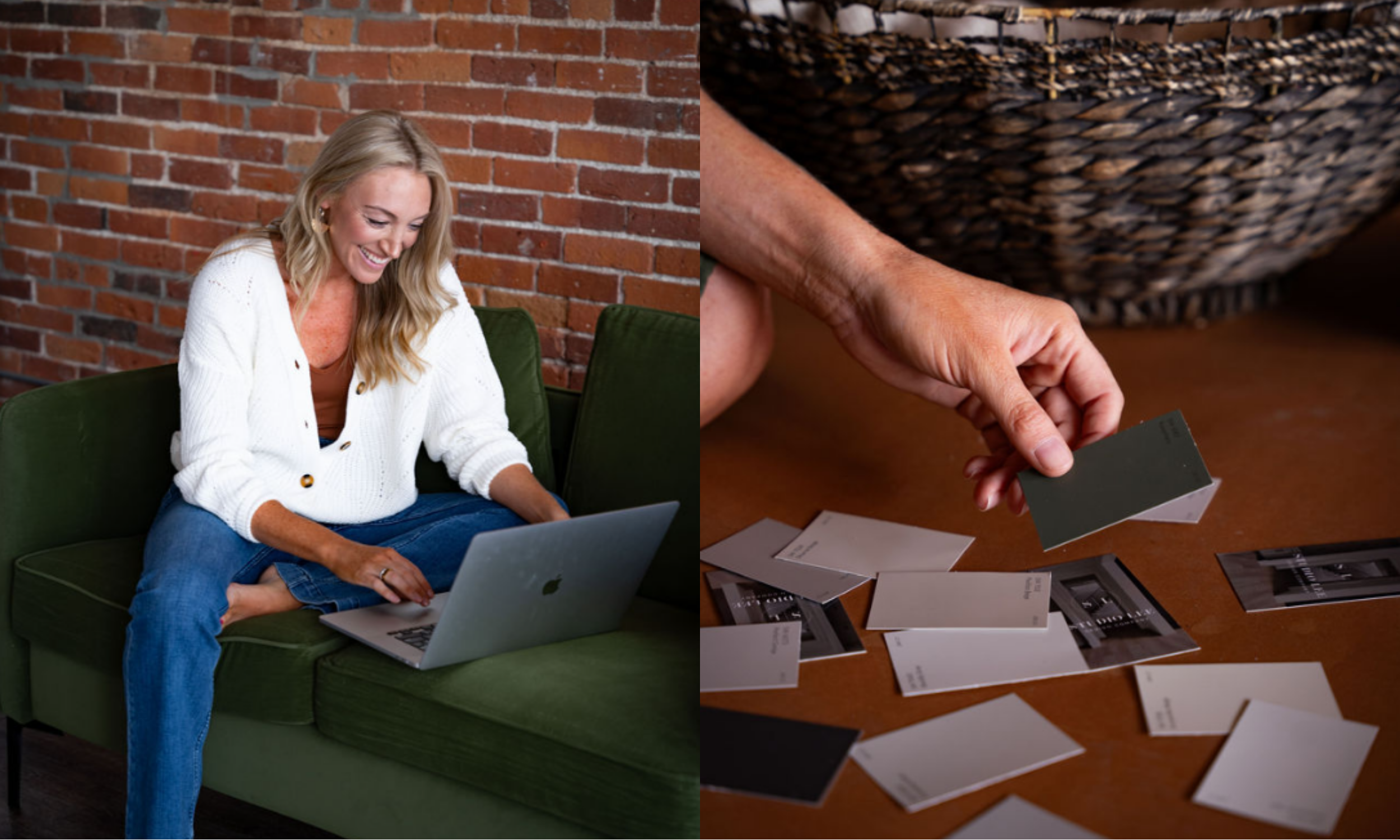
What Design Hours Actually Means
Imagine you’re building a custom home and want a designer to handle the interior selections. That means flooring, cabinetry, countertops, tile, plumbing fixtures, lighting, paint, millwork, hardware, and all the details that connect them.
Now imagine that entire process taking 80 hours. That sounds like a lot until you realize that is only two full-time workweeks. In that time, a designer needs to understand your vision, evaluate your plans, develop a cohesive direction, source products, make selections for multiple rooms, coordinate finishes, prepare documentation, review everything with you, and communicate with your construction team.
And that assumes every selection is available, every decision is approved right away, and nothing changes along the way. If you’ve ever built or renovated a home, you know how unlikely that is.
Hence, 80 hours to design an entire home is nearly impossible.
Designing a home involves hundreds of decisions, and many depend on one another. Changing a countertop might affect the backsplash. Adjusting cabinetry could change lighting placement. A discontinued tile might mean rethinking an entire bathroom palette. One choice ripples across several others.
Good Design Is About Deciding Better
There’s a common misconception that hiring a professional should make everything happen quickly. It’s not just speed (which by the way, this is not something to rush!), it’s experience. An experienced designer knows where to source materials, which questions to ask, and which issues to flag before they become expensive problems.
But good design also takes thoughtfulness. Sometimes it means researching several materials before recommending one. Sometimes it means revisiting a layout because something doesn’t function as well as it should. And sometimes it means telling a client that the beautiful white sofa they’ve fallen for might not be the best choice for a household with three kids, two dogs, and a serious commitment to red wine.
Our job isn’t to agree with every choice, and it’s definitely not to rush every choice either. It’s to help you make informed decisions that balance aesthetics, function, durability, and budget.
Why the Lowest Fee Isn’t Always the Best Value
Think about renovating a bathroom. You get three contractor quotes, and one is noticeably lower than the others. It’s tempting to go with it, but you’d probably want to know about the contractor’s experience, the quality of their work, and their attention to detail first. Nobody wants to save money upfront only to end up with crooked tile or a leaky shower.
Designers are similar. Different professionals bring different experience, processes, and levels of involvement. Some focus on decorating and furnishings. Others specialize in renovations, new construction, or technical design. Some provide concepts and selections, while others stay involved through documentation, coordination, and installation.
There’s room for all of these services. What matters is understanding what your project requires and choosing a professional whose expertise fits those needs. The goal isn’t to spend as little as possible on design. It’s to get the most value from what you invest in your home.
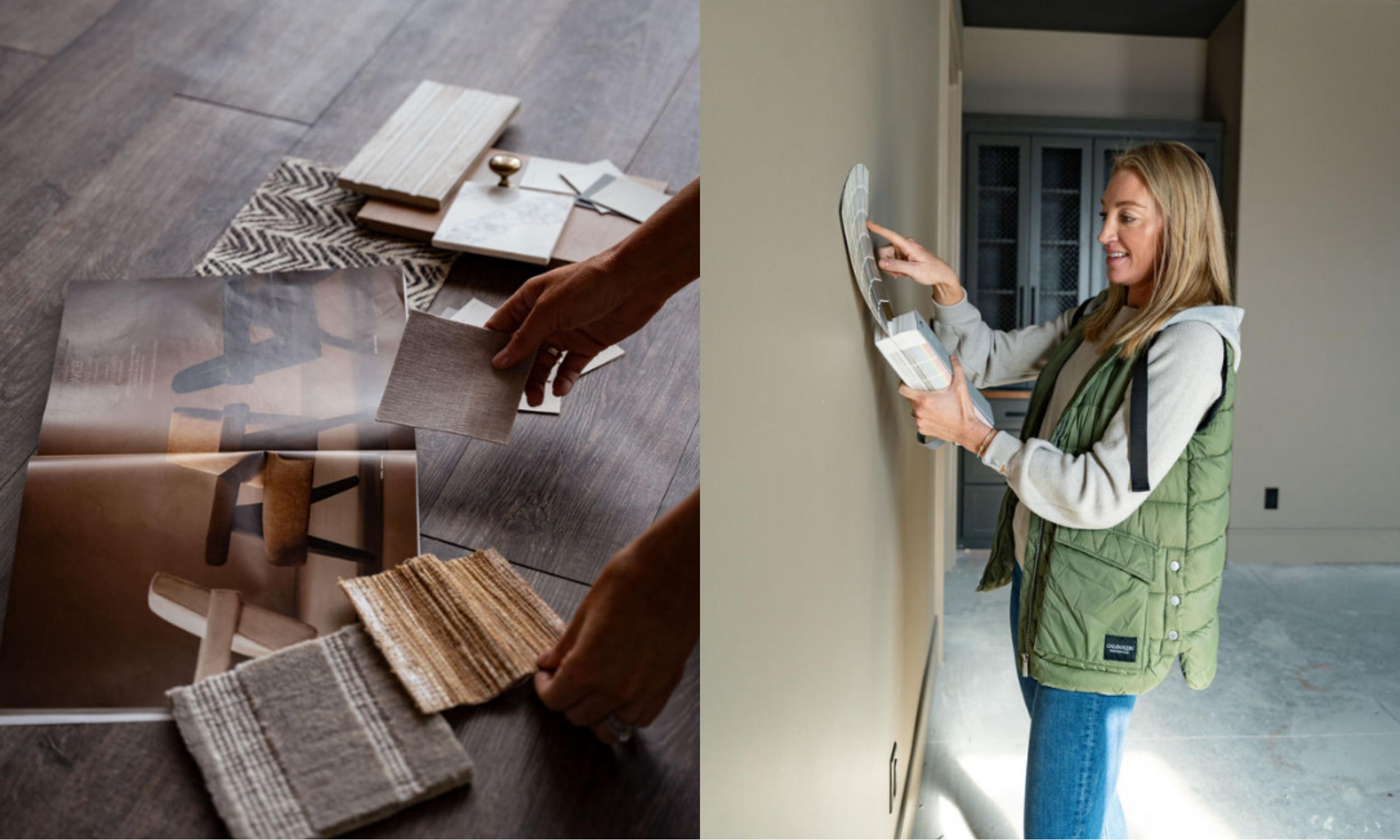
What About Furnishings? Isn’t That Just Shopping?
We hear this one too. Anyone can browse online or save a hundred sofas to a Pinterest board.
But furnishing a home well involves much more than finding pieces you like. It’s about scale, proportion, comfort, material performance, construction quality, and how everything works together.
That gorgeous sectional might look perfect online, but will it fit through your doorway? Will it overwhelm the room? Is the upholstery right for your lifestyle? Does the layout allow for comfortable circulation?
Then there are the less glamorous details: lead times, freight, vendor coordination, product availability, receiving, damage claims, delivery scheduling, and installation. Not exactly Instagram material. A designer manages these moving parts so you’re not spending your evenings tracking shipments or discovering that your dining table arrived without its base.
Experienced designers also tend to have access to trade resources and specialty manufacturers that aren’t always available through traditional retail. Those relationships take years to build, and they’re part of the value you’re paying for.
You’re Not Just Investing in a Beautiful Home
At the end of the day, hiring an interior designer is about much more than aesthetics. It’s about having someone who understands your vision, cares about the details, and knows how to turn a collection of ideas into a cohesive, functional space. Someone who thinks of the things you didn’t know to ask.
Your home isn’t a showroom. It’s where your family gathers, where the dog tracks in mud, where dinner occasionally burns, and where real life happens. At Studio Lee, we believe great design should feel intentional, personal, and built to last. That takes creativity, yes. It also takes planning, technical knowledge, experience, collaboration, and a great deal of behind-the-scenes work.
Good design should be thoughtful, purposeful, and worth the investment. Because you’re not just paying someone to pick things out. You’re hiring someone to help you get it right.
Let’s Talk About Your Project
Whether you’re building a custom home, planning a renovation, or furnishing a space that needs more intention, we’d love to hear what you’re working on. Schedule a consultation and let’s talk about how Studio Lee can bring your vision to life.
Ready to design a home that works the way you live?
Book a design consultation below.
