
Millwork, Transitions, and Hidden Details: The Real Difference Between a Pretty House and a Well-Designed One
From trim to transitions, here’s why true design lives in the details.
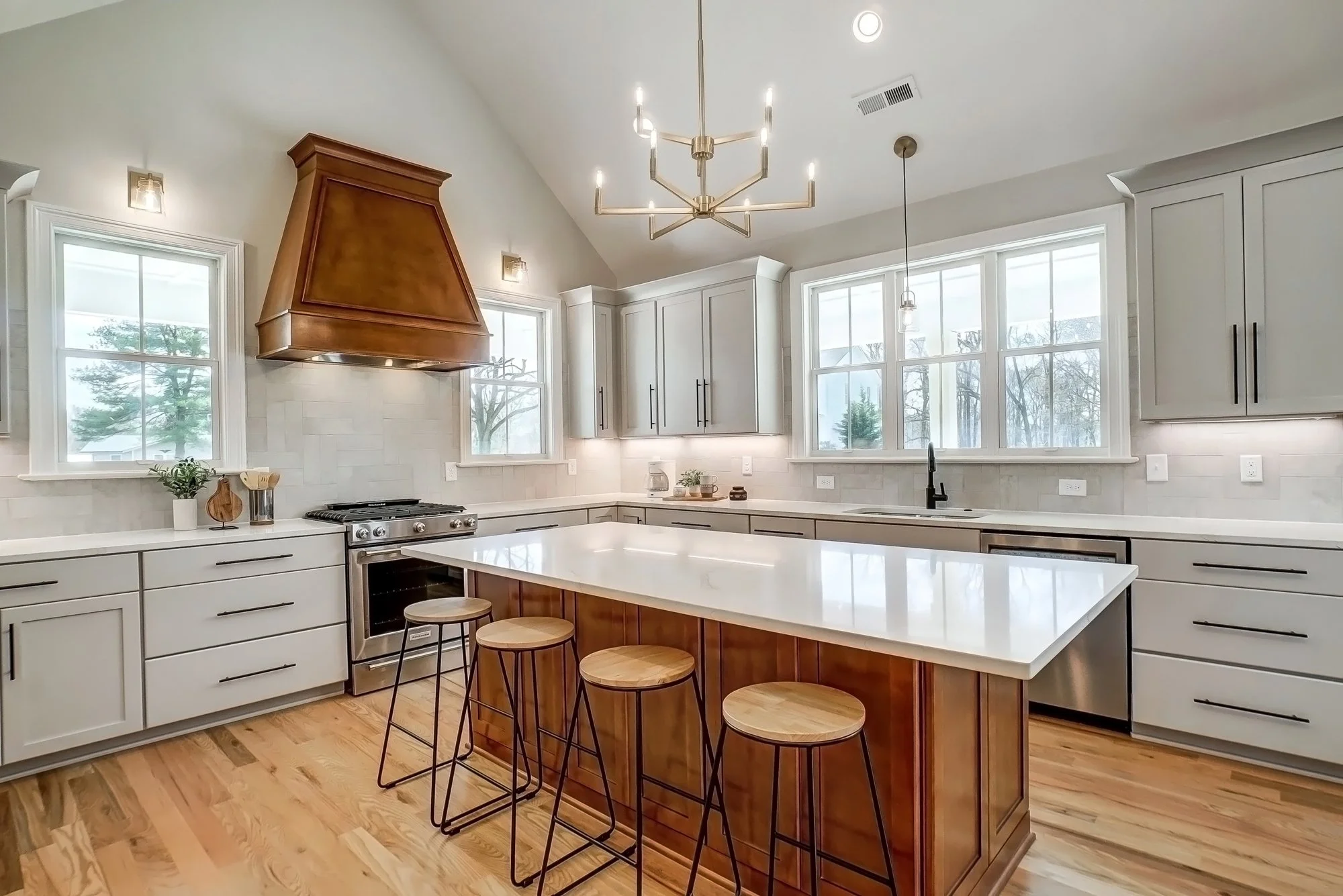
Trim is the true champ in this kitchen. And that custom range hood? Swoon.
Ever walked into a home that just feels right, even if you can’t explain why? That’s the magic of millwork and the hidden details that quietly shape how a home looks, functions, and lives.
These aren’t the elements that shout for attention, but they’re what separate a Pinterest-pretty house from a professionally designed home.
The difference lies in the craftsmanship, transitions, and architectural details you only notice when they’re done wrong.
Why Millwork Matters More Than You Think
Millwork is what gives a home character. It’s the pulse that runs through the design—100% essential and only noticed when it skips a beat.
From trim and casing to built-ins, paneling, and custom range hoods, these architectural details bring texture, proportion, and depth to every space. Literally, they frame the room; figuratively, they give a home its soul.
Millwork is also what gives your home that custom look that photographs beautifully and feels cohesive in person. These are the touches that make a space feel finished and set your home apart from the rest.
Make no mistake, though: custom millwork is more than a weekend-project upgrade. It’s a true craft. Every profile, joint, and edge must be planned, cut, sanded, and finished with precision.
And if you’re going for a stained finish rather than painted? Expect to spend extra time testing samples. Different wood species take stain differently, and what looks “warm walnut” online can turn orange on the wrong wood.
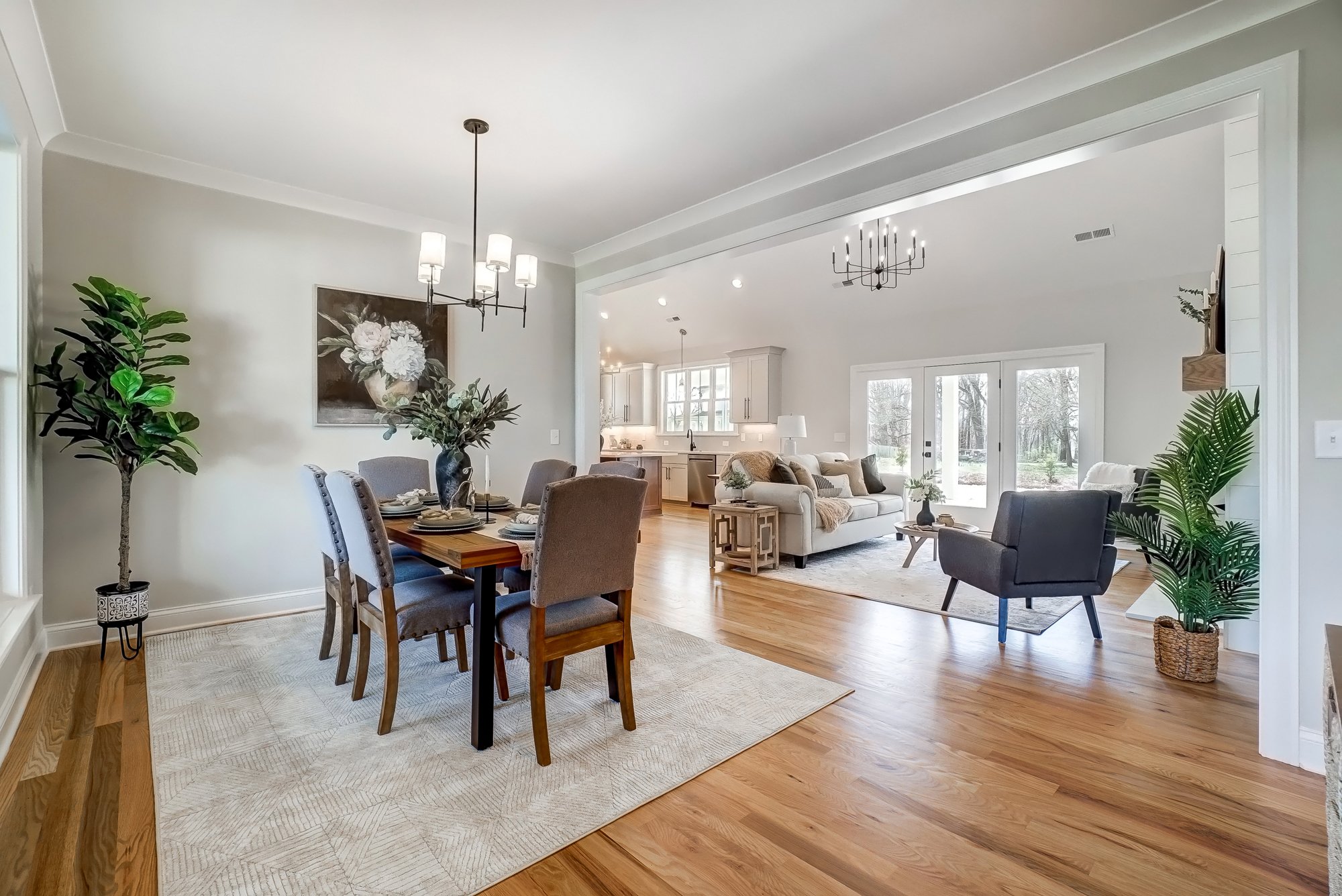
A wide cased opening welcomes guests to this formal dining room while crown molding adds to the grandeur.
The Cost Conversation No One Has (But Should)
Here’s the reality check: millwork can eat up a budget faster than almost anything else.
Custom paneling, trim upgrades, coffered ceilings, and arched built-ins can easily run into the thousands because the labor and craftsmanship behind them are so intensive.
Keep in mind:
Millwork = materials + labor. A carpenter’s hourly rate adds up quickly, especially with custom cuts and finishing.
Stain-grade costs more than paint-grade. Stained wood has to be higher quality, sanded meticulously, and often tested multiple times to achieve the right tone.
Don’t skip the samples. The money spent testing stains is worth it to avoid mismatched wood tones and the regret that comes with them.
There will be trade-offs. If you’re dreaming of rich, detailed millwork, you may need to opt for more budget-friendly tile or lighting to balance the cost.
The good news? Done thoughtfully, millwork holds its value as an architectural equity-builder.
The Hidden Details That Make a Home Feel Cohesive
Like millwork, other subtle design details can quietly make or break a space:
Transitions. Flooring thresholds, baseboard returns, and casing alignments all affect how your eye moves through a space. A clean, flush transition says “intentional.” A jarring height change or mismatched profile says “afterthought.”
Proportion. A tiny trim in a grand room or oversized casing in a tight hallway throws the scale off. Proper proportion is one design principle you can’t overlook.
Repetition. Carry the same baseboard or crown detail through key areas to create visual flow. Even with varying materials, the consistency will feel high-end.
Integration. Built-ins, vent covers, and even switch plates can be painted or trimmed in to disappear into the architecture. Strategic integration elevates both function and form.
These are the touches that rarely appear in a budget spreadsheet but always show up in resale value (and how your home feels).
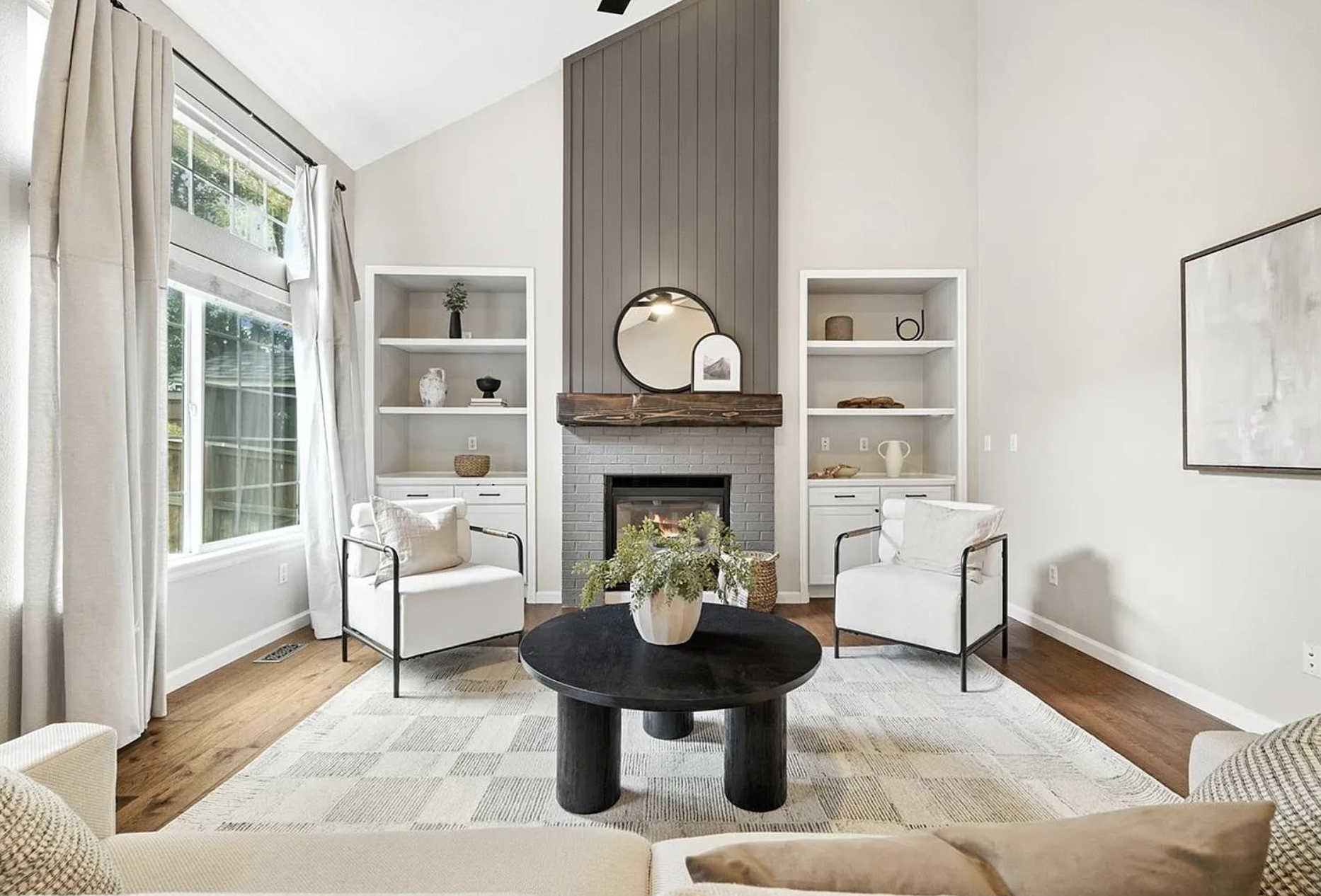
A space planned around custom millwork is sure to add value (and become your favorite room in the house).
Design for the Details
Don’t leave millwork decisions for the eleventh hour. Window casings, panel layouts, and ceiling details should be designed and budgeted well before drywall goes up. Late additions mean rework, delays, and a lot of “wish we’d planned this sooner.”
At Studio Lee, we integrate millwork design early in the process so the design, construction, and craftsmanship all work together seamlessly and the renovation stays on track.
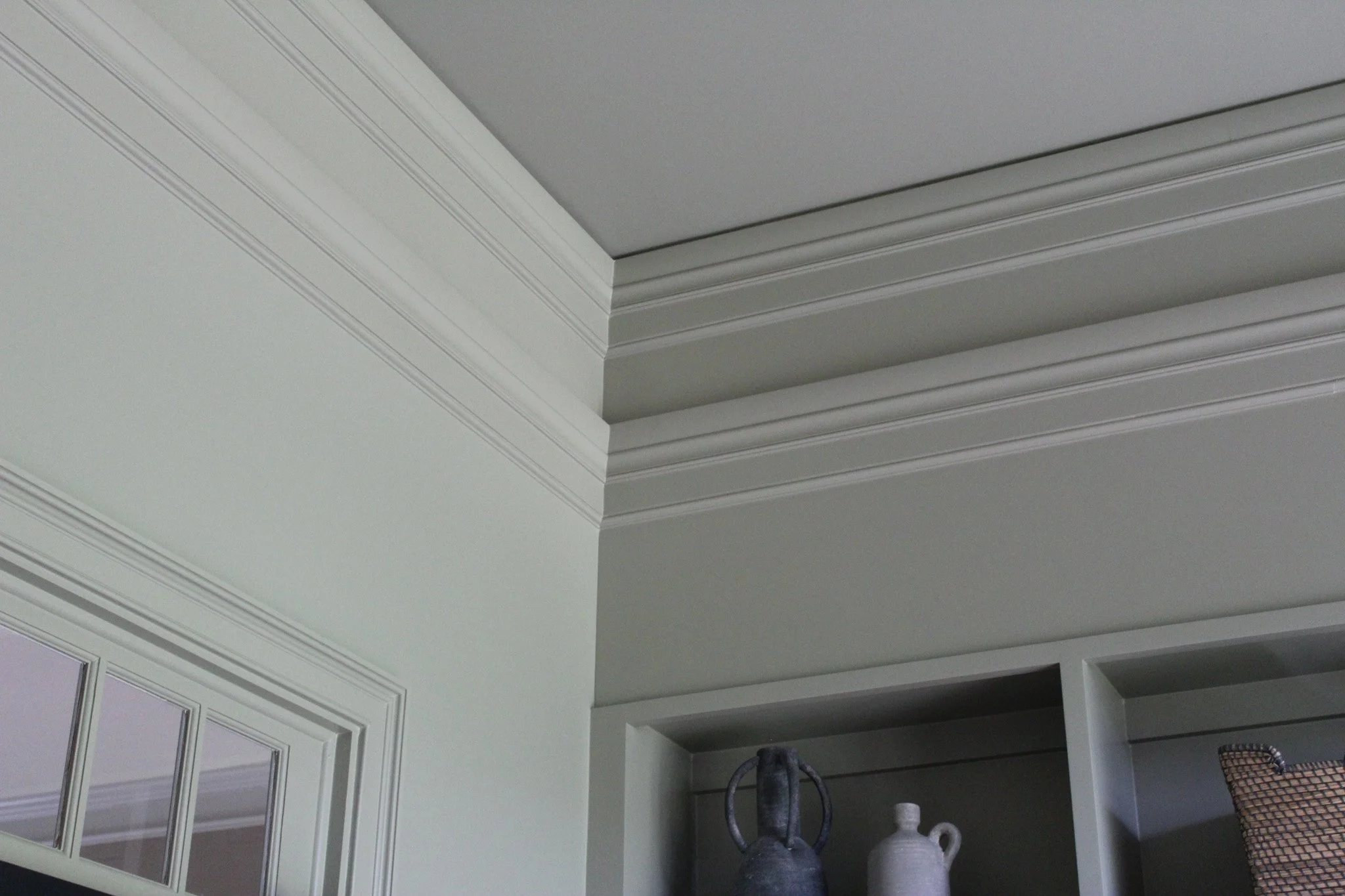
How to Budget Smartly for Millwork
Here’s our rule of thumb for planning millwork and trim work costs:
• Basic trim and casing: 1–2% of your total build cost
• Custom built-ins and paneling: 3–5%
• Whole-home millwork features (like ceiling beams, arches, and mudrooms): up to 8%
If your dream includes all the cozy custom millwork you’ve pinned for years, be ready to shift funds. Maybe that means sourcing tile from a big box store instead of a boutique retailer.
Our two cents? For the craftsmanship and long-term value it brings, millwork is worth every penny.
Where Craft Meets Character
You have one chance to get your home design right; “looks good” isn’t good enough.
Those subtle transitions, carefully chosen trim profiles, and perfectly matched stains are painstaking to plan, but they’re where your home equity—and your home’s character—truly live.
Yes, millwork can be pricey. And yes, stain samples will test your patience. But trust us: make it a priority and your home will feel grounded, intentional, and built to last.
Want to design for the details?
Studio Lee can help you get the details right from the start. Whether you’re building or renovating, let’s create something timeless, cohesive, and designed for life.
